

Visiting any new doctor can feel a little nerve-racking, especially when it comes to your eyes. You might wonder what all those machines do or what you might be asked. It’s a common feeling, whether it’s your child’s first eye exam or you just haven’t had one in a few years.
There’s no need to feel nervous about an appointment with an eye doctor. A modern eye exam is a straightforward and comfortable process designed to give you a clear picture of your eye health and vision needs. It’s all about understanding you and how you see the world.
Before You Arrive for Your Exam
What to Bring
A little preparation can make your visit go smoothly. It helps to have your current glasses or contact lenses with you if you wear either. If you take any medications, jot them down on a list. And if you have any questions about your vision, like why your eyes feel tired after work, be sure to bring those along too.
Quick Tips for Your Visit
You can help your eyes be ready for their check-up with a good night’s sleep. Most eye exams take about an hour, so you can plan your day around it. If the eye doctor requires your pupils to undergo a brief dilation, your eyes could be sensitive to light afterward, so it can be helpful to arrange for a ride home.
The Chat and the First Few Tests
Talk About Your Eyes and Health
Your visit starts with a friendly chat. Our team wants to know about your personal and family health history, as this gives us the full picture of your eye health. You can also talk about any vision problems you’ve noticed and what your daily life looks like, from your work on a computer to your weekend hobbies.
Quick Vision Checks
Next, you go through some familiar checks. You can expect to read letters from an eye chart to see how sharp your vision is. Other tests can include checking your peripheral (side) vision and how well your eyes move and work together as a team.
A Closer Look at Your Eye Health
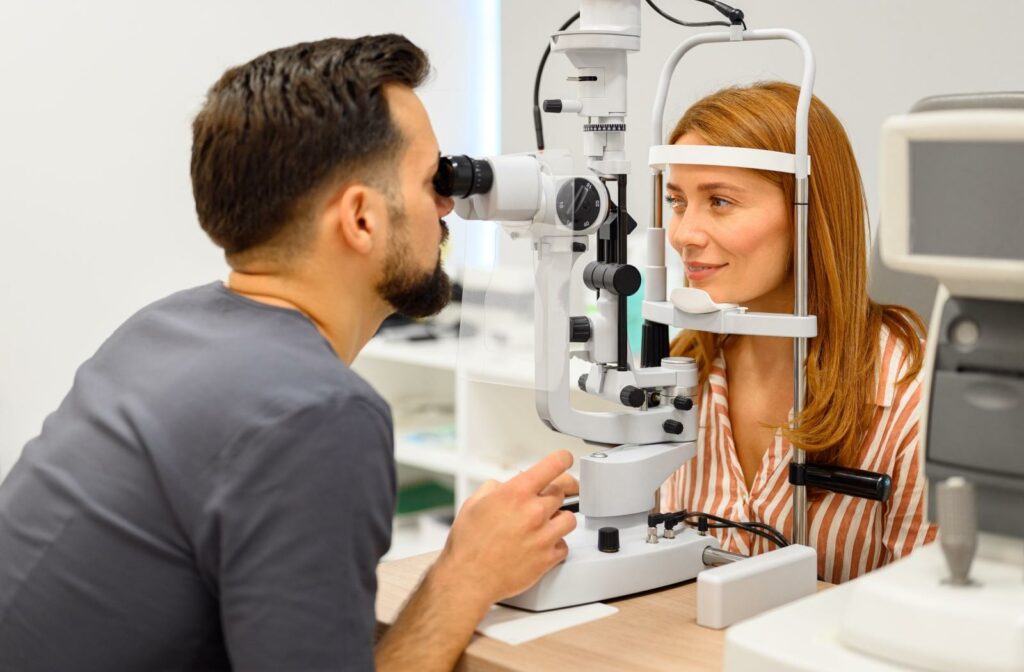
To get a complete picture, your eye doctor will typically use special tools to look at the front and back of your eye, which helps with the early diagnosis of eye diseases. You may also have a quick and gentle test to measure your eye pressure, a process known as tonometry, which is over in a second. Sometimes, the eye doctor may use special drops to briefly widen your pupils for a better view inside your eye.
Find Your Perfect Focus
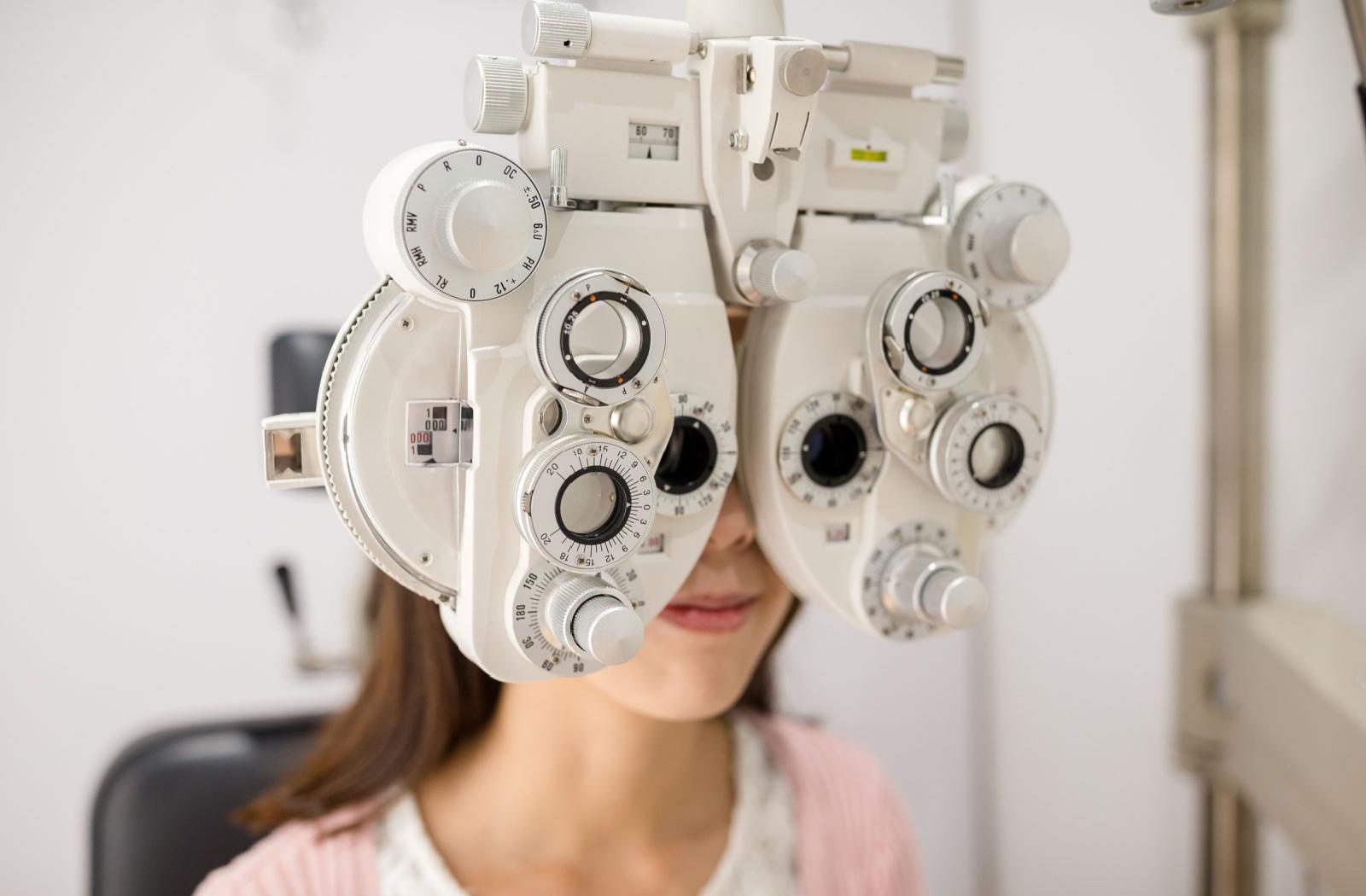
This is the classic “1 or 2?” part of the exam. You look through a series of lenses while the eye doctor asks which option looks clearer. This interactive test helps dial in your exact prescription. Your eye doctor then uses this information to customize a solution just for you.
Special Measurements for Contacts
If you’re interested in contact lenses, there are a few extra steps. The eye doctor can perform a quick check of your eye’s surface to measure its curve. This helps you get a comfortable and safe fit during your contact lens fitting.
What Happens After Your Eye Exam
Review Your Results
Once the exam is complete, your eye doctor will walk you through the findings. They explain everything in simple terms and answer any final questions you might have. You leave with a copy of your prescription and a clear understanding of your vision.
Head Home with Happy Eyes
If your pupils were dilated, it’s a good idea to have a pair of sunglasses handy for the trip home, as your eyes may be sensitive to bright light for a little while. Now for the fun part: you can start thinking about picking out a new pair of stylish frames that show off your personality.
Come See Us
Your eyes are unique, so your vision care should be personalized. Our friendly team at Capitol Optometry is passionate about giving you a comfortable and customized eye care experience. Schedule your appointment today to get started.