

Myopia, better known as nearsightedness, has a way of sneaking up on people. Distance blurs slowly enough that most of us adjust without noticing, and then one day the street signs stop cooperating.
Myopia won’t reverse on its own, though everyday habits like outdoor time and regular exams can help slow how fast a prescription changes. An optometrist can measure where your vision stands today, and eye exams give us something to compare that against next year.
What Myopia Means for Your Eyes
With myopia, faraway objects look blurry while close-up work stays sharp. The eye grows slightly too long from front to back, so light lands just short of the retina.
It usually starts in childhood and keeps changing while kids and teens grow. Adults can develop it too, often after years of heavy close-up work. Prescriptions move, which is why one exam only tells you where things stand today.
Signs to Watch For
Kids almost never announce that their vision is blurry. They adapt, so the clues tend to show up in behavior instead. Watch for a few of these:
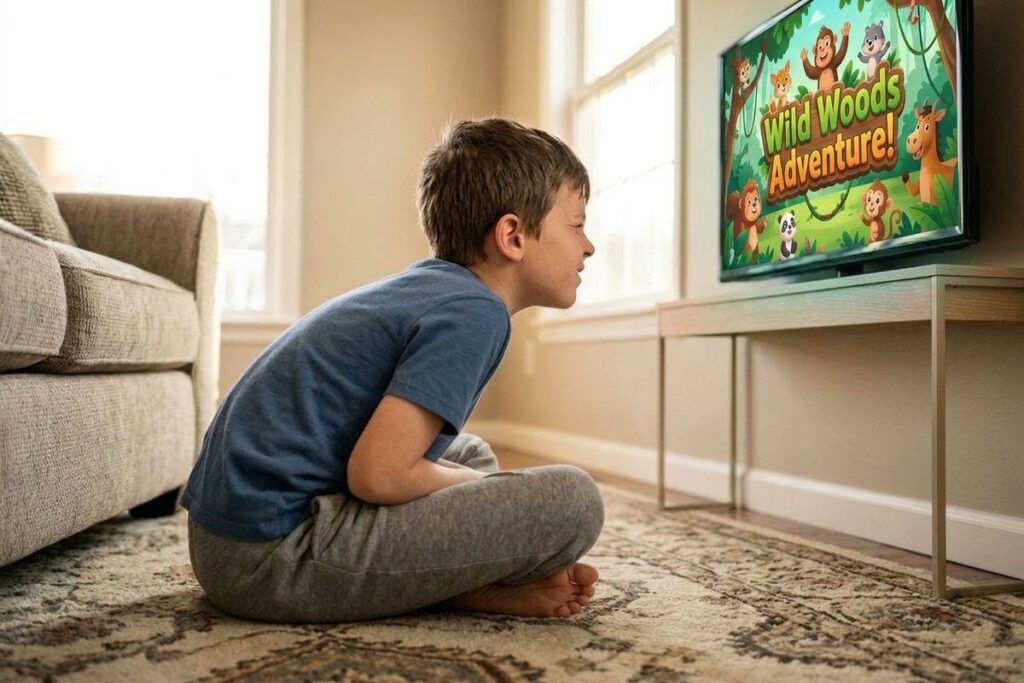
- Squinting at the whiteboard or the TV
- Sitting closer and closer to screens
- Rubbing eyes or blinking hard while reading
- Headaches after school or a long day at work
- Tired, achy eyes by late afternoon
Bring any of these up at the next visit. One is reason enough to book an exam.
Why Slowing Myopia Progression Matters
Stronger prescriptions have been linked to eye problems later in life, including retinal tears and glaucoma. Keeping the changes to a minimum can lower that risk.
Clear distance vision also helps day-to-day. Night driving gets easier, and kids can follow a ball across a field instead of losing it halfway.
Outdoor Time and Myopia
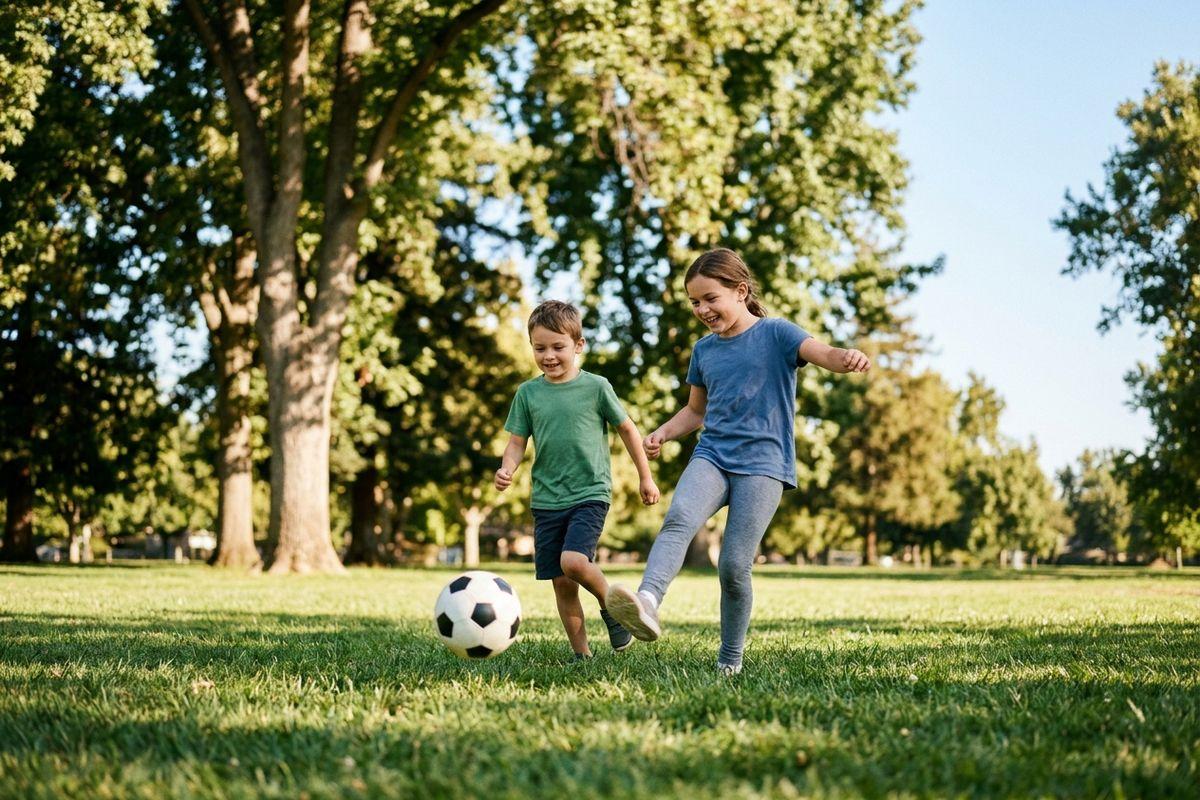
Kids who spend more time outdoors tend to develop myopia less often, and bright daylight appears to influence how the eye grows. Aim for about 2 hours outside each day.
Walks around the block, weekend soccer, recess, or a trip to the park all count. Time outside also cuts down on close-up work, since it’s hard to scroll through a phone while you’re playing catch.
Working adults, this applies to you too. Take lunch outside instead of eating at your desk.
Screen Habits That Protect Distance Vision
Hours of close-up focus wear the eyes out, so build in breaks on a schedule. The 20-20-20 rule is easy to remember: every 20 minutes, look at something roughly 20 feet away for 20 seconds. Set a phone timer if you think you’ll forget, because you will.
Hold books and phones 14 to 16 inches from your face. If your nose is nearly touching the page, back it up.
Turn on a lamp instead of reading in the dark, and skip reading while lying down, since that position pulls the page too close. Keep your screen about an arm’s length away and just below eye level so you’re not craning your neck through an afternoon of emails.
Sleep and Nutrition for Healthy Eyes
A consistent bedtime and fewer screens in the hour before sleep help both kids and adults feel less worn out the next day. Tired eyes strain faster.
Food plays a part as well. Work a few of these into meals each week:
- Leafy greens like spinach and kale
- Colorful fruit such as oranges and berries
- Omega-3 sources like salmon or walnuts
- Eggs, which carry lutein and zeaxanthin
- Water throughout the day
Myopia Control Options
Habits do a lot, but sometimes an extra layer of support makes sense. During an exam, your optometrist may bring up a few approaches depending on what’s happening with your prescription:
- Low-dose atropine eye drops for kids ages 5 to 18
- Myopia control glasses, often a solid starting point for younger kids
- Specialty soft contact lenses worn during the day
- Ortho-k lenses that reshape the cornea overnight
Choosing among them comes down to age, how quickly the prescription has been changing, and what a normal week looks like. A kid at swim practice five days a week may do better in glasses than in contacts that have to come out at the pool.
We’ll also factor in how comfortable you are handling lenses and how easy it’ll be to get back in for follow-ups. Tell us what your schedule can handle, and we’ll work with it.
Common Questions About Myopia
A few of these come up in almost every exam room conversation, so here are the short answers.
At What Age Does Myopia Slow Down?
For many people, changes settle sometime in the late teens or early twenties. Timing varies from person to person, so we keep measuring year to year.
Can You Fix Myopia Naturally?
Habits may slow how much a prescription changes, though they don’t undo myopia. Glasses and contact lenses are still what correct blurry distance vision.
How Often Should Eyes Be Checked?
Yearly exams let us follow prescription changes over time. If vision seems to change quickly, come in sooner rather than waiting for the next scheduled visit.
Start One Myopia Habit This Week
None of this has to happen at once. Pick one change and build from there. Get the family outside after dinner, or slide the laptop back a few inches and see how your eyes feel by 5 p.m.
The team at Capitol Optometry can walk your family through myopia control, talk frames if you’re in the mood to browse, and answer the questions you’ve been meaning to ask. Book your next eye exam and let’s find out where your vision stands.